
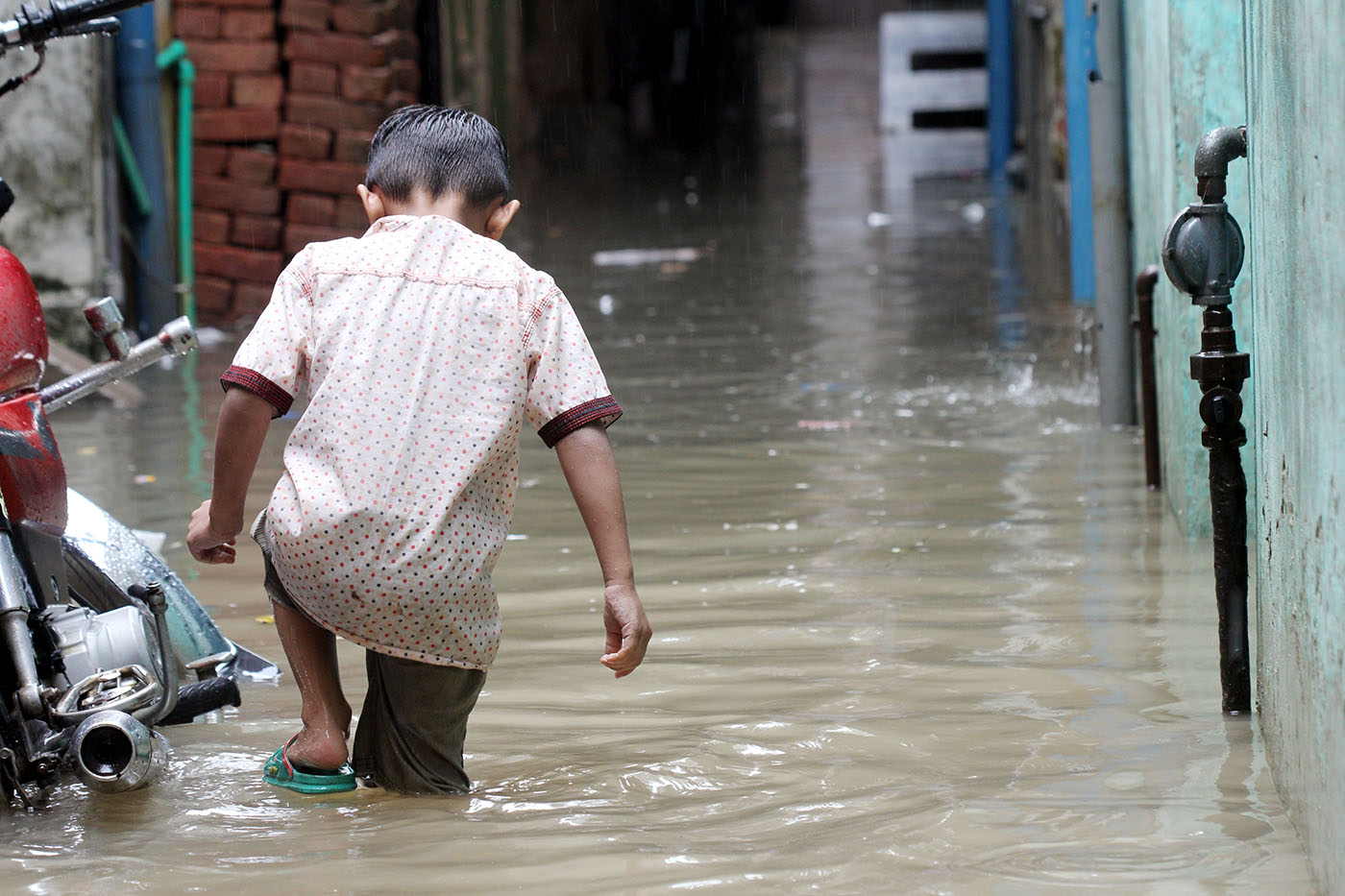
In June 2022, Pakistan’s monsoon season, exacerbated by climate change, triggered the worst flooding in recent history, which has killed more than 1,700 people. As the waters receded, the broader implications for children emerged, including the impact on the education of 3.5 million children.
Research from EdTech Hub explores the education response to climate emergencies following the floods, and highlights the importance of utilising existing, more accessible technologies to ensure learning continuity.
The preliminary findings and recommendations from this project can be read here, or you can read the blog on our findings here.
View Related Evidence
Learning Continuity in Response to Climate Emergencies: Pakistan’s 2022 floods
Building on EdTech Hub’s preliminary insights, this extended resource explores Learning continuity in response to climate emergencies following the 2022 Pakistan floods. The intention is to support stakeholders in…
Learning Continuity in Response to Climate Emergencies: Preliminary insights on supporting learning continuity following the 2022 Pakistan floods
This resource is based on preliminary insights from EdTech Hub’s emerging study of Learning continuity in response to climate emergencies following the 2022 Pakistan floods. The intention is to…
Considering EdTech in climate emergencies: to what extent and when is it feasible?
New research from EdTech Hub explores the response to climate emergencies following the Pakistan floods – the worst in recent history – and highlights the importance of utilising existing, most…