
Why this Sandbox?
Providing information about the benefits and quality of education to caregivers is a “great buy”, according to the Global Education Evidence Advisory Panel. There are promising signs about interventions that use technology to help caregivers support children as they learn.
When the Keep Kenya Learning (KKL) campaign approached us with their idea to leverage tech tools and resources to support home learning during Covid-19-related school closures, we saw a great opportunity. Together, we could test ways of reaching learners where they are.
The key question brought to us by the KKL team was: What’s the best way to engage and support caregivers so that they effectively foster learning at home?
They came to us with a large menu of options, ranging from learning resource platforms, SMS campaigns, radio programmes, bespoke apps and more, sourced from over 40 partners who were already signed up and convinced by the campaign’s mission. Their combined resources and network meant we could reach millions of caregivers, but the foundation of the model was still missing. We needed to explore to find out what’s the most effective way to reach these caregivers, when do we reach them, and what are we reaching them with?
Quick Facts
- Keep Kenya Learning counts on contributions from 40+ partners in Kenya, including EdTech providers, community organisations, and professional networks.
- Keep Kenya Learning is testing its approach on over 300 caregivers across 3 ‘personas’ with varied income levels and geographic backgrounds.
Giving Caregivers the Confidence to Engage in Learning
Caregiver engagement in education is at the centre of this sandbox. Yet, KKL understood from the beginning that simply giving caregivers learning materials or devices to simulate schooling outside school isn’t enough on its own. In order to effectively support caregivers, we needed to ask more basic questions. Do parents see themselves as able to support learning at home? What happens when the caregivers themselves lack the confidence to help? How do family and social circumstances affect their ability to engage learners?
Understanding the Context
In partnership with Busara, a behavioural science research firm based in Nairobi, the Keep Kenya Learning team began this sandbox with a behavioural mapping of Kenyan caregivers, surveying individuals representing three different ‘caregiver personas’. This was done in order to capture the diverse challenges faced by caregivers in different contexts and respond accordingly. These personas were:
- Low-middle-income urban
- Low-income urban
- Low-income rural
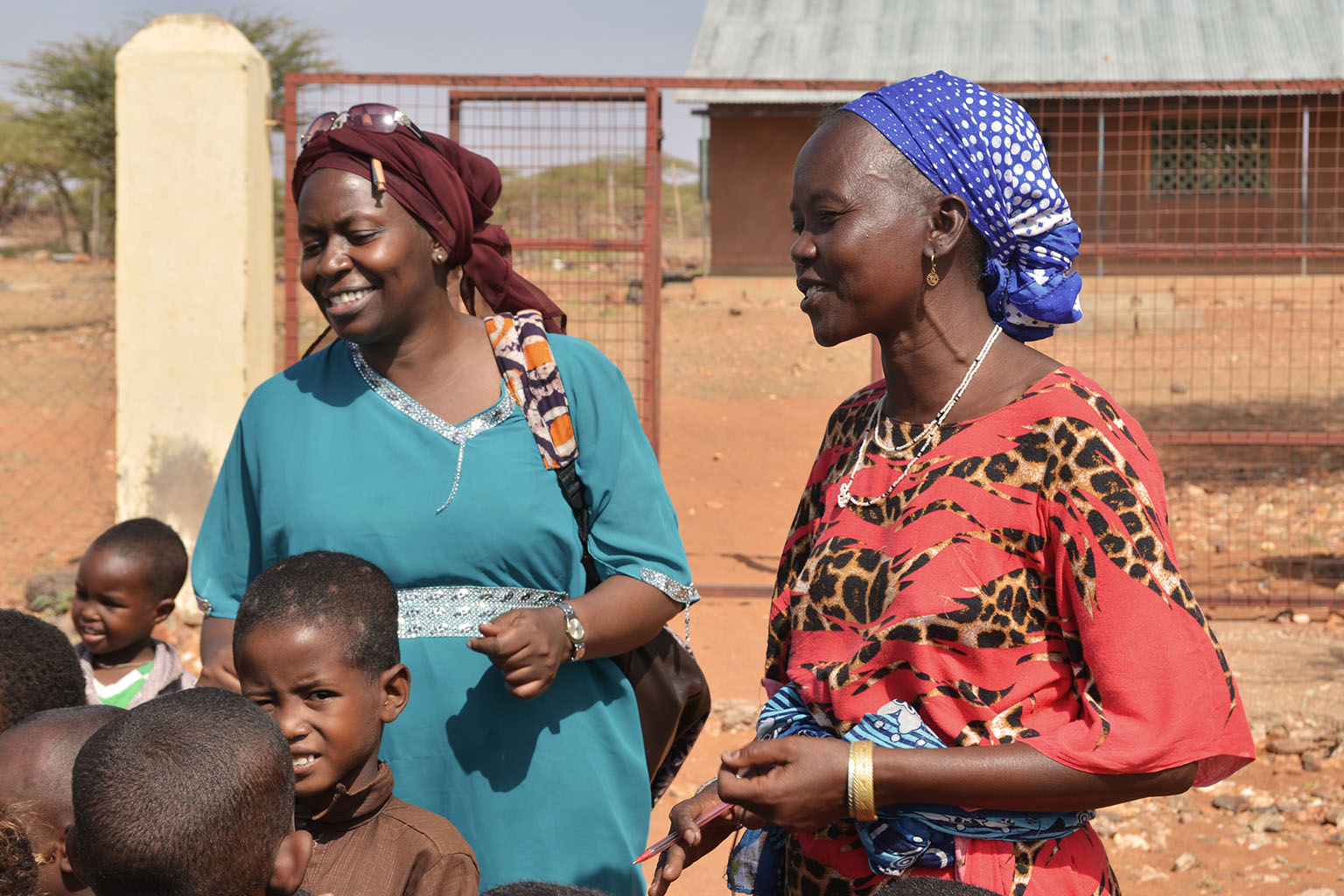
This engagement work was made easier by the well-established reach of community-based organisations contributing to KKL. They were well positioned to contact parents and caregivers directly.
The survey included questions such as:
- How much do you value education for your children?
- Are you able to support them in learning at home? How?
- What (if anything) prevents you from providing support?
We learnt that across urban and rural contexts and income levels, parents do value education. But many often do not consider themselves to be well educated themselves, and often lack confidence that they can add value to their kids’ education. They hold back from offering support to children for fear that their support won’t be ‘good enough’.
In low-income communities, this lack of confidence is exacerbated by a lack of access to resources and scepticism about the value of learning-at-home activities.
That said, parents and caregivers also place importance on the wider community as a potential source of support for children. Older siblings, cousins, grandparents, and neighbours can be, and often are, involved in providing some support or encouragement to children while they learn.
It became clear during this early phase that engaging with caregivers would be helpful to boost their confidence so that they felt their input would matter.
The next question was: How?
Telling Caregivers ‘Your Voice Matters’
We had been aware of some of the barriers to caregiver engagement, but wanted to dig deeper and learn more. In search of more data, we conducted a rapid literature review and a facilitated learning session with caregiver engagement and behaviour change experts. From these, we learned that:
- Trust was vital — parents and caregivers paid more attention to, and were more likely to respond to, engagement that grew from successful social ties between parents, teachers, and the community to collectively support children’s needs.
- If we wanted to encourage behaviour change in parents and caregivers, we needed to make sure the message was simple, actionable, and easily doable. It needed to be presented in an attractive and engaging way, and come from a trusted or well-known voice.
Building on these insights, the Keep Kenya Learning team looked for ways to give caregivers the confidence to engage. The team partnered with Scholé on an SMS curriculum that encouraged caregivers to cultivate new, simple habits (asking questions, listening, storytelling, etc.) to engage in learning at home. With Ubongo (an education content provider), the Keep Kenya Learning team considered creating TV adverts showing examples of positive parenting behaviour at home. And with their community partners, the team organised community caregiver meetings to discuss the importance of learning at home.
At each step of the way, caregivers were consulted in developing these outputs. As the sandbox reached its final weeks, Keep Kenya Learning tested its overall approach with 300+ caregivers, experimenting with different iterations to determine which outputs were most effective.
By the end of this sandbox, Keep Kenya Learning had developed and tested a tech-enabled model for engagement with caregivers. The hope was to turn this model into a toolkit that could be reused by partners elsewhere in Kenya and around the world, as long as it was adapted for local circumstances.
What We’ve Learnt
- Caregiver support in learning is crucial, but many lack confidence in supporting learners at home.
- It is essential to understand the challenges caregivers face (and to include them in the design process).
Tech tools can be used to model effective caregiver engagement and build simple learning-at-home habits.