
About
This randomised control trial (RCT), led by Youth Impact, builds on previous work testing low-tech learning interventions such as nudges, phone-based tutorials, and radio programmes. The study is ongoing and aims to understand how similar approaches perform in different contexts, and which modalities and components have the greatest impact on learning outcomes beyond the Covid-19 period.
Key Findings
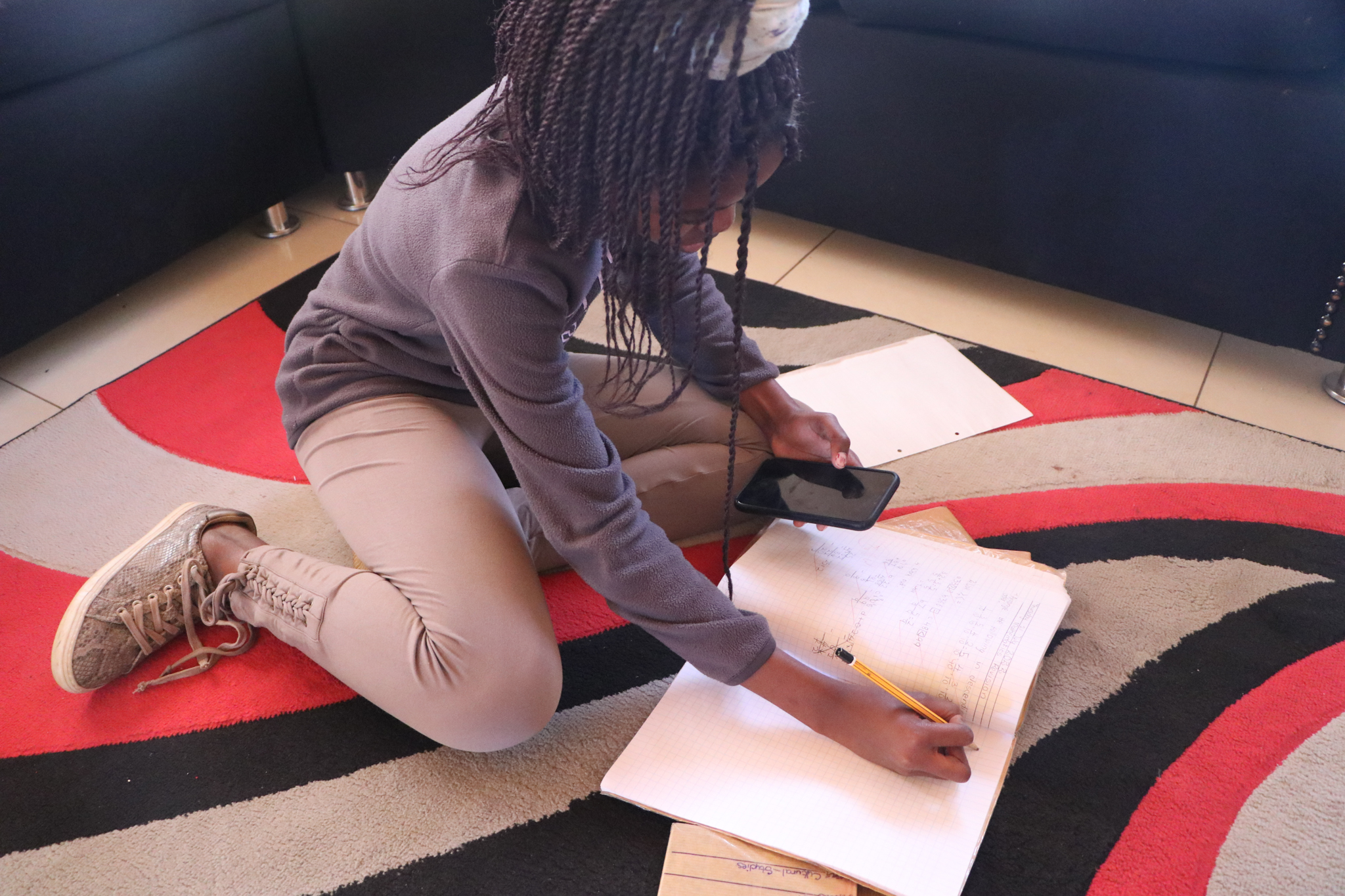
Home-based workbooks and phone-based tutoring combined were the most effective interventions for supporting active, individualised learning. These interventions enabled students to continue learning beyond disrupted schooling, with workbooks supporting self-paced study and phone tutorials providing personalised instruction.
Bridging the Gap
The Challenge
While low-tech interventions such as phone-based tutoring and radio programmes were widely used to support learning during Covid-19, rigorous evidence of their effectiveness in different contexts remains limited. Understanding which approaches are most effective at improving learning outcomes is essential for informing future programme design and implementation.
Why It Matters
Low-cost, low-tech interventions are of particular interest for reaching marginalised learners. This research builds on previous interventions that have shown both high effectiveness and cost-efficiency in improving learning outcomes. This study aims to address the current evidence gap with a goal to understand how widely such positive results can be replicated in other low- and middle-income country contexts.
How this Work Aims to Address It
This RCT evaluates the effectiveness of various home learning and educational technology interventions among 6,350 primary school students in Kenya and Sierra Leone. It tests three approaches:
- A home-based workbook
- An educational radio programme
- Phone-based tutoring
The study assesses student learning outcomes after participation to identify which interventions most effectively support continued learning. It aims to contribute evidence and understanding of how low-tech interventions can be used in low- and middle-income countries globally, so that more children can access education even when facing barriers to formal schooling.
Objective
This research builds on Youth Impact’s previous work on low-tech interventions, including nudges, phone-based tutorials, and radio, to understand similar approaches in different contexts and the modalities and components that have the greatest impact on learning outcomes beyond the Covid-19 context.
The Research Questions
- Is hyper-targeting programming to meet individual student needs more effective than a traditional linear approach to content delivery?
- Do programs have system-level effects on teacher mindsets and instructional practice?
- Are there long-term benefits to learning 6-12 months after program delivery?
- How effectively can phone calls encourage uptake for educational radio?
Study Design and Methodology
This RCT evaluated the effectiveness of various home-learning and educational technology interventions among 6,350 primary school students in Kenya and Sierra Leone. It tested the learning outcomes of students after use of a home-based workbook, an educational radio program, and phone-based tutoring.
Timeline of Activities
October 2022 – March 2023
- Literature review and finalisation of proposal
- Preparation and research design
- Kenya study: Implementation
January 2023 – June 2023
- Sierra Leone study: Endline
March 2023 – December 2023
- Preparation of research instruments
- Study implementation (general activities)
The Importance of the Results
The findings are important because they provide new evidence on how home workbooks, phone-based tutoring and educational radio can support learning gains in a post-Covid-19 context.
Implications for Policy and Practice
A policy brief has highlighted the value of low-tech learning options and strong pedagogical approaches with teachers at the centre. The study contributes to the wider evidence base on cost-effective, high-impact approaches to supporting learning in low- and middle-income countries.
Study Team
- Noam Angrist, Principal Investigator
- Claire Cullen, Co-Principal Investigator
- Colin Crossley, Programme Lead
Key Partners